
Emma Orozco and Roseanne Orozco’s Mother-Daughter Bond
Day of the DeadThis thread follows Emma Orozco’s enduring love for Roseanne Orozco, from the daughter’s childhood silence and disappearance to her mother’s decision to reopen the murder case.
increasing Bearing strength in each event
 decreasing
Bearing strength in each eventdecreasingA Beloved Quiet Child
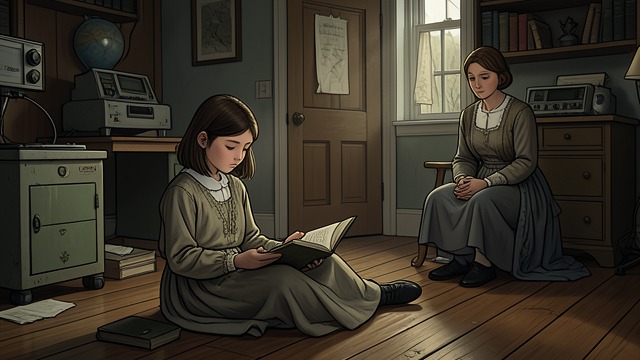
A Mother Knows Her Child
Roseanne Before the Silence
Roseanne Orozco grows up in a family whose parents work as migrant laborers, leaving her and her sister Andrea in the care of their grandmother during long absences. Andrea remembers Roseanne as a child who could read, laughed at jokes, and seemed bright despite her quietness.
Emma’s later account makes clear how much Roseanne’s silence complicates ordinary communication but does not erase the mother’s closeness to her. Emma believes she would have known if Roseanne had a boyfriend, and she cannot accept that a pregnancy could have occurred without someone exploiting her daughter’s isolation.
Love Without Easy Access
Roseanne’s mutism means Emma cannot rely on the usual exchanges through which parents learn what troubles their children. The family seeks medical help and even consults a medicine man, but no one restores Roseanne’s speech.
The silence becomes an emotional vulnerability others may misread as incapacity or consent. For Emma, it remains part of the daily challenge of loving a daughter whose inner life is largely inaccessible to outsiders.
A Daughter Vanishes
The Missing Child
Waiting for Her Return
Roseanne is hospitalized after an appendicitis emergency, then returns home still unwell. Later she is admitted again for tests, and Henry Orozco is supposed to collect her after work. When he arrives, she has already disappeared from the hospital.
The family is left with no clear explanation. People assume she walked away on her own, but Roseanne’s silence and vulnerability make that conclusion feel inadequate to those who know her best.
Loss Without an Answer
A week later, Roseanne’s dismembered body is found inside a cooler along the highway. Emma loses not only her daughter but also the chance to learn where she went, what happened to her, and who caused her pregnancy.
The unresolved nature of the death makes grief ongoing. The absence of a known killer turns the family’s loss into a question that can never be put away, especially for a mother who suspects that the official assumptions did not match the daughter she knew.
Grief Silenced at Home
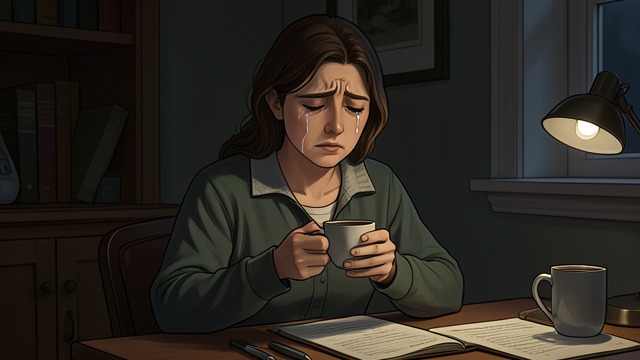
Grief Kept Inside
Henry’s Request to Move On
After the investigation fails to resolve Roseanne’s murder, Henry Orozco urges Emma to forget the case rather than dwell on the past. Emma follows his wishes for years, though the silence does not bring her daughter back or resolve her questions.
The accusation that Henry might have fathered Roseanne’s baby further damages the family. He is never tried, but suspicion hangs over him, and the investigation’s collapse leaves Emma caught between loyalty to her husband and the memory of her daughter.
A Mother’s Unfinished Mourning
Emma’s grief remains private, shaped by the social expectation that visible tears are shameful and by her husband’s decision to stop pursuing the truth. Her restraint should not be mistaken for acceptance: Roseanne remains central to her life even decades later.
Only after Henry dies does Emma feel free to speak about the murder in her own name. The delay is not indifference but the cost of carrying a family’s unresolved pain without permission to reopen it.
A Mother Asks for Help
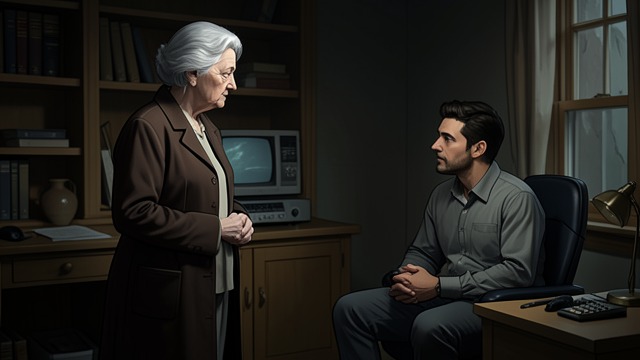
Choosing to Remember
Breaking the Silence
After Henry’s death, Emma goes to Brandon Walker and tells him Roseanne was murdered in 1970. She struggles to speak about the case, but makes clear that she is Roseanne’s mother and wants to know what happened.
Brandon listens without pressing her through the story. His patience gives Emma room to set the pace and name the loss herself, including the humiliating suspicion that Law and Order once directed toward Henry.
Trust and Renewed Investigation
Emma asks whether Brandon’s cold-case group can help and worries that she cannot afford the work. He tells her that The Last Chance charges survivors nothing financially, while warning that reopening the case may bring back pain.
Emma accepts that cost. Her request transforms mourning into action: she is no longer willing to let time and other people’s discomfort determine whether Roseanne’s death will be investigated.
A Mother Gives Permission
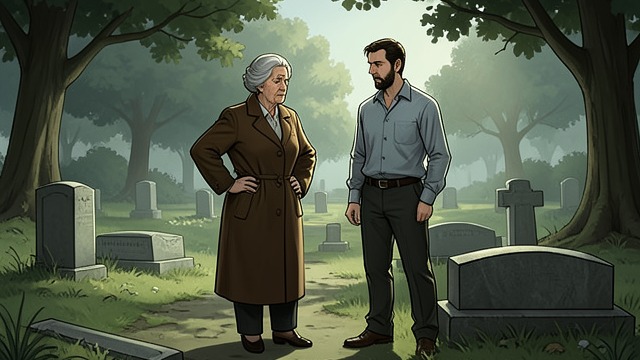
Love Becomes Resolve
The Search for a Father
When the hospital cannot produce Roseanne’s medical record, Emma remembers rumors that doctors had mistreated patients. She begins to believe that her daughter’s pregnancy may have resulted from an assault during treatment, though she understands that this remains unproved.
Brandon explains that DNA from Roseanne’s baby might identify the father and help redirect the investigation. The possibility demands that Emma revisit the child’s burial and face the fact that her daughter’s unborn baby was also lost.
Permission Without Certainty
Emma agrees that Brandon may pursue the testing and later has the remains exhumed with her family’s help. She knows the action is difficult and unconventional, but finding out matters more to her than preserving the appearance that the past should remain untouched.
Her decision is an act of maternal care reaching across generations. She cannot protect Roseanne from what happened, but she can insist that the daughter and granddaughter who were lost are treated as people whose lives deserve investigation and remembrance.
Roseanne’s early childhood, before kindergarten
July 1970, after Roseanne’s hospital stay
The years after the 1970 murder
April 2002, when Emma visits Brandon
Late April 2002, after the grave is exhumed
